What Is an Aluminum Window and Why Choose It?

Time:2026-09-30 Author:Oliver
0%

What Is an Aluminum Window and Why Choose It? This question deserves more than a simple answer about appearance. An Aluminum Window combines slim frames, structural strength, and practical design flexibility. Its clean lines suit modern homes, offices, schools, and retail spaces. Large glass panels can bring daylight deep into a room. The frame also resists warping, swelling, and insect damage better than many timber alternatives.

Building scientist Stephen Selkowitz has described windows as “a critical component of the building envelope.” That view explains why frame selection matters. A window affects heat loss, solar gain, ventilation, noise, and indoor comfort. Quality aluminum systems usually include thermal breaks. These insulating sections reduce heat transfer through the frame. Low-emissivity glass, weather seals, and correct installation add further protection. Small details matter.

Still, aluminum is not automatically the perfect choice. Older or poorly designed frames may feel cold during winter. Condensation can appear around the edges. Some budget products may also transmit outdoor noise. I learned this from reviewing specifications, not from trusting attractive photographs alone. Check the thermal performance, drainage design, glass type, finish quality, and warranty. Ask how installers manage gaps around the frame.

The strongest reason to choose an Aluminum Window is balanced performance. It offers durability without heavy visual bulk. Powder-coated finishes require limited upkeep and maintain a consistent appearance. Recycled aluminum can also support more responsible material use. Yet responsible selection requires patience. A beautiful frame cannot compensate for weak glass or careless installation. The best result comes from matching the window to the climate, building orientation, budget, and everyday use.
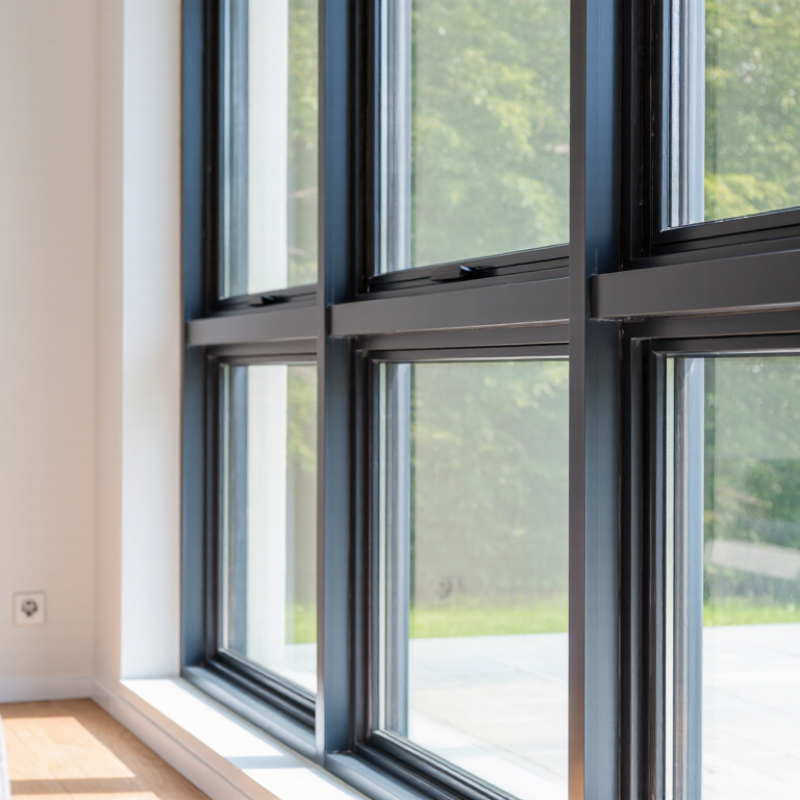
What Is an Aluminum Window and Why Choose It?

What Is an Aluminum Window?

An aluminum window is a window frame made from shaped aluminum sections, usually joined at the corners. The frame holds glass, seals, hinges, locks, and drainage channels in one weather-resistant structure. Unlike timber, aluminum resists rot, insects, and swelling when moisture reaches the frame. It also supports slim profiles, allowing more daylight to enter a room. That clean appearance is practical, not merely decorative.

During site inspections, installers often check frame alignment before adjusting the glass and hardware. A poorly aligned sash may rub, leak air, or leave uneven gaps around the seal. Quality aluminum systems commonly use thermal breaks, which separate the outer and inner metal surfaces. This reduces heat transfer, although the glass and installation still affect total performance. Aluminum is not perfect. Bare metal can feel cold, and dark finishes may absorb strong sunlight and expand slightly.

For a coastal or rainy home, choose corrosion-resistant finishes and inspect drainage paths regularly. In a hot climate, low-emissivity glass and suitable shading may matter more than frame color. Ask for published thermal, air, water, and wind-performance data before comparing options. Measurements should be verified on site, because a beautiful frame cannot correct an inaccurate opening. I would not choose aluminum from appearance alone; comfort depends on the complete window assembly. That is easy to overlook.

How Aluminum Windows Are Designed and Manufactured

An aluminum window begins as an engineered system, not merely a metal frame. Designers select alloy strength, profile depth, and wall thickness according to wind load, glass weight, and opening size. The frame is usually created through extrusion, where heated aluminum passes through a shaped die. This process produces accurate channels for seals, hardware, drainage, and glazing.

Thermal performance requires careful design. Many modern profiles use a polyamide thermal break between the outer and inner aluminum sections. This reduces heat transfer and limits interior condensation. Engineers also check corner joints, screw positions, and gasket compression. Small gaps can cause drafts.

They should not be ignored.

In manufacturing, extruded sections are cut by computer-controlled saws, then drilled, milled, and assembled. Corners may be mechanically joined or crimped, depending on the system. The surface can receive anodizing or powder coating after strict cleaning and preparation. Glass is installed with setting blocks, seals, and controlled pressure. Each finished window should be inspected for squareness, smooth operation, water drainage, and air leakage.

In practical workshop experience, alignment often matters more than appearance. A beautiful frame can still perform poorly if installation tolerances are missed. Some designs also become heavier than expected, so installers must plan lifting and support carefully.

Key Features and Benefits of Aluminum Windows

What Is an Aluminum Window and Why Choose It?

Key Features and Benefits of Aluminum Windows

Aluminum windows use strong metal frames to support glass while keeping profiles relatively slim. This design can bring more daylight into a room. It also suits modern homes, offices, and renovated industrial spaces.

A key feature is durability. Quality aluminum resists warping, cracking, and insect damage. Powder-coated surfaces usually need only mild soap and water. That matters for windows facing rain, dust, or strong sunlight. Aluminum frames can also include thermal breaks, which reduce heat transfer through the metal. Double or triple glazing improves insulation further, but the frame is only one part of the system.

Performance depends on details.

During a site assessment, installers should check drainage paths, seals, frame joints, and wall alignment. Poor installation can cause drafts or water leakage, even with a well-designed window. This is an easy point to overlook. Aluminum is not naturally the warmest framing material, and basic systems may create more condensation in cold weather. Local climate, glass specification, and certified energy ratings should guide the selection.

Another benefit is material efficiency. Aluminum is lightweight compared with many structural metals and can be recycled repeatedly when properly recovered. Its strength supports larger glass areas without excessively thick frames. However, larger panes increase weight and hardware demands. A careful design review is necessary. Slim lines look attractive, yet appearance should never replace tested safety, weather resistance, and long-term maintenance planning.

Common Types and Applications of Aluminum Windows

Aluminum windows use lightweight metal frames to hold glass securely. Their slim profiles allow more daylight and wider outdoor views. Common designs include fixed, casement, sliding, awning, and tilt-and-turn windows. Each type suits a different movement pattern and ventilation need.

Fixed windows do not open, so they work well beside doors or in high walls. Casement windows open outward and usually provide strong airflow. Sliding windows save space in narrow rooms, but their tracks need regular cleaning. Awning windows open from the bottom and help block light rain. Tilt-and-turn systems offer two opening positions, although their hardware can require more careful adjustment.

Applications vary from apartments and homes to offices, shops, schools, and high-rise buildings. Sliding aluminum windows often suit balconies and compact bedrooms. Casement units fit kitchens where controlled ventilation matters. Commercial storefronts and curtain walls use larger aluminum frames for broad glass areas. In busy public buildings, durable finishes and replaceable seals are practical details.

Performance depends on the frame design, glass, installation, and local climate. Thermal-break aluminum reduces heat transfer through the frame. Proper drainage prevents water from collecting inside the track. Coastal projects may need corrosion-resistant finishes and more frequent inspections. Aluminum is not perfect; poor installation can cause drafts or condensation. I have seen attractive windows perform badly because the wall opening was measured carelessly. A trusted installer should check alignment, sealing, drainage, and hardware operation before final handover.

What Is an Aluminum Window and Why Choose It?

Common Types, Typical U-Factor Ranges, and Applications

Lower U-factors indicate better thermal insulation. The ranges shown are typical indicative values for aluminum window configurations; actual performance varies with frame design, glazing, spacer, size, and test standard. Aluminum windows are commonly used in homes, offices, high-rise buildings, storefronts, and large glazed façades because of their strength, durability, slim profiles, and design flexibility.

Factors to Consider Before Choosing Aluminum Windows

An aluminum window uses a lightweight metal frame around glass, offering strength, slim sightlines, and relatively low maintenance. Yet material choice alone does not guarantee comfort. The International Energy Agency’s Buildings report states that buildings account for about 30% of global final energy use. Window performance deserves careful attention.

Before choosing aluminum windows, check the frame’s thermal break. Continuous aluminum conducts heat quickly, causing cold interior edges and possible condensation. The U.S. Department of Energy’s Building America research identifies metal-frame thermal bridging as a significant heat-transfer pathway.

Ask for tested U-factor and Solar Heat Gain Coefficient values, preferably from an independent certification label. Lower U-factor usually means better insulation. SHGC must match the climate and window direction.

Glazing matters too. Double glazing may suit mild conditions, while low-emissivity coatings can reduce radiant heat loss. In hot, sunny rooms, lower solar gain may improve comfort. In colder regions, carefully selected solar gain can help.

Installation is easy to underestimate. A well-rated window can still leak around an uneven opening, especially where foam, flashing, or drainage is poorly handled.

I would inspect the sill, seals, and corner joints before judging the frame. Aluminum may resist warping, but coastal air still demands suitable finishes and regular cleaning.

Check warranties, repair access, drainage holes, and expected maintenance. The cheapest quote is not always the lowest-cost choice.

FAQS

What is an aluminum window?

It uses shaped aluminum sections to hold glass, seals, hinges, locks, and drainage channels. The frame resists rot, insects, and moisture-related swelling. Slim profiles can bring more daylight indoors. It is practical, not only decorative.

Does aluminum provide good thermal performance?

It can, especially with a thermal break separating the inner and outer metal. Low-emissivity glass and careful installation also matter. Aluminum is not perfect. Bare metal may feel cold.

Which aluminum window style suits different rooms?

Casement windows provide outward airflow, while sliding units save space. Awning windows open from the bottom and help during light rain. Fixed units suit high walls or areas beside doors. Tilt-and-turn designs offer two opening positions.

Where are aluminum windows commonly used?

They suit homes, apartments, offices, schools, shops, and tall buildings. Large frames support broad glass areas in commercial spaces. Sliding units often fit balconies and compact bedrooms. Casement units work well in kitchens.

How are aluminum window frames manufactured?

Heated aluminum passes through a shaped die during extrusion. The sections are then cut, drilled, milled, and assembled. Workers add seals, hardware, drainage paths, and setting blocks. Finished units should be checked for squareness and smooth operation.

What should installers inspect before handover?

They should verify opening measurements, frame alignment, glass position, and gasket compression. They should test locks, hinges, tracks, drainage, air leakage, and water resistance. Uneven gaps can cause rubbing or drafts. Appearance alone is not enough.

How should aluminum windows be maintained in coastal or rainy areas?

Choose corrosion-resistant finishes and inspect drainage paths regularly. Clean sliding tracks before dirt blocks water movement. Check seals for damage or hardening. Coastal air can expose weaknesses sooner than expected.

What mistakes can reduce aluminum window performance?

Incorrect measurements can leave poor installation tolerances around the frame. Misalignment may create leaks, drafts, or difficult operation. Dark finishes can absorb strong sunlight and expand slightly. I might choose by appearance, but that is not a reliable test.

Conclusion

An Aluminum Window is a window system made primarily from lightweight, durable aluminum frames that support glass panels and various opening mechanisms. Its design and manufacturing typically involve shaping aluminum profiles, applying protective surface treatments, assembling hardware, and fitting suitable glazing to achieve strength, stability, and reliable performance. Modern aluminum windows can be tailored in different colors, finishes, sizes, and configurations to suit both practical and aesthetic requirements.

Key benefits include resistance to corrosion, low maintenance, slim frame profiles, excellent daylight access, and long-term structural stability. Aluminum windows are commonly used in homes, offices, commercial buildings, renovations, and large glazed areas, with options such as sliding, casement, awning, fixed, and folding styles. Before choosing one, consider thermal insulation, glazing type, energy efficiency, ventilation, security features, sound reduction, installation conditions, maintenance needs, and overall budget. A careful comparison of these factors helps ensure the selected window meets the building’s climate, design, and performance requirements.

Oliver

Oliver

Oliver is a seasoned marketing professional with a wealth of expertise in driving brand awareness and engagement. With a deep understanding of our company's product offerings, he consistently delivers high-quality content that enriches our professional blog. His insights not only shed light on......