Product Range
A practical product map for buyers sourcing from China wholesale aluminium doors and windows factories. Each system can be reviewed against project climate, building type, glazing specification, hardware schedule, finish, and local compliance requirements.
Multi-chamber frames, warm-edge spacer options, Low-E glazing, and controlled air infiltration for energy-conscious residential and hotel projects.
View Product RangeUltra-narrow sightlines, large glazed panels, smooth sliding hardware, and customized threshold details for terraces, balconies, and retail frontages.
View Product RangeHigh-visual-light fixed glazing for facades, stairwells, corridors, and winter gardens with project-specific wind-load and safety-glass review.
View Product RangeIntegrated insect screens, controlled ventilation, and powder-coated finishes for humid climates, coastal projects, and residential comfort.
View Product RangeCustom RAL powder coatings, European-style tilt-and-turn operation, multi-point locking, and high-performance sealing for mixed climates.
View Product RangeDurable balcony door systems for hospitality projects, with optional safety glazing, acoustic upgrades, drainage design, and project-specific finish matching.
View Product RangeFactory-prepared aluminium framing and glazed modules for commercial facades, subject to engineering review, structural calculation, and local code verification.
View Product RangeEntrance and interior glass door systems with thermal-break options, safety hardware, and customized powder-coating colors for commercial environments.
View Product RangeVerified Factory Profile
For B2B buyers, a factory profile is not a decorative “about us” block. It is a risk-review tool. The following operating data should be read alongside production images, QC evidence, customization limits, and written project specifications.
Registered in 2017, Xi'an Orion Architectural Glass & Window Co., Ltd. occupies a production footprint of 24,000 square meters. Leveraging 9 years of industry experience and 6 years of international operations, we achieve an annual export value of $21 million. Our primary markets cover Eastern Europe, South America, and Oceania, catering to hotel construction groups, architectural firms, and regional wholesalers.
These signals are important because China wholesale aluminium doors and windows factories vary widely in export maturity, engineering depth, and document control. A factory with international operating history is better positioned to support drawings, packaging, loading plans, specification clarification, and after-sales communication. However, experience should still be verified through sample approval, third-party test reports where applicable, and a clear responsibility matrix.
For semantic search and procurement research, the information gain lies in connecting factory facts with real buyer questions: Can the supplier support climate-specific glazing? Can it control finish quality? Can it align doors and windows with local wind-load, thermal, acoustic, and safety requirements? Can it provide repeatable quality across multiple purchase orders?
Market Context
Aluminium doors and windows have moved from a basic envelope component to a strategic building-performance system. Energy codes, carbon reporting, occupant comfort, acoustic separation, watertightness, and lifecycle maintenance now influence specification decisions across commercial and industrial projects.
Developers and architects increasingly request performance assumptions, glazing build-ups, installation details, and documented QC routines before approving suppliers. A China wholesale aluminium doors and windows factory that can present process evidence is easier to compare than one offering only a product catalogue. This is especially important for hotels, offices, hospitals, schools, transportation buildings, and mixed-use complexes.
International projects face customs timelines, site sequencing, language differences, and local installation interfaces. Buyers need suppliers with stable export operations, packaging discipline, spare-parts planning, and document alignment. The original stated markets—Eastern Europe, South America, and Oceania—represent different climate and compliance contexts, so localized support matters more than generic production capacity.
The right supplier relationship is not built on a single unit price. It is built on repeatable system performance, verified materials, controlled fabrication, and predictable communication. That is the core advantage of evaluating China wholesale aluminium doors and windows factories & factory capability through both product ranges and production evidence.
Macro Industry Solutions
Different building types require different combinations of thermal performance, safety, acoustics, maintenance access, ventilation, and visual appearance. Use these application modules as a starting point for project-specific engineering.
Balcony doors, fixed glazing, acoustic windows, privacy ventilation, and durable finishes for guest rooms, lobbies, restaurants, and resort villas. Specification should consider maintenance access and replacement-parts availability.
Curtain wall modules, fixed windows, entrance systems, and operable vents with strict visual alignment. Facade performance must be checked against wind load, watertightness, thermal targets, and local safety glazing rules.
Thermal-break casement and tilt-and-turn windows with safety glazing, insect screens, acoustic options, and reliable locking hardware. Large-scale projects benefit from standardized batch inspection and packing plans.
Cleanable surfaces, controlled daylight, acoustic separation, and reliable operation in patient rooms, corridors, and public areas. Project-specific hygiene and accessibility requirements should be documented before production.
Windows for classrooms, libraries, laboratories, and sports facilities should balance daylight, ventilation, safety, and durability against heavy daily use. Hardware selection and restrictor options are critical.
Factory offices, control rooms, warehouses, and production areas require robust frames, practical maintenance, and coordinated opening schedules. Climatic and pollution exposure should guide finish and sealing choices.
Large glass doors, slim sightlines, branded colors, and premium surface finish influence customer experience. Hardware, glass safety, and thermal comfort at entrances must be validated carefully.
Mixed-use projects need a coherent window and door language across residential, commercial, and public zones. A unified system family helps control spare parts, installation training, and long-term maintenance.
Local Support & Compliance
No responsible factory should promise that one window system automatically complies everywhere. Compliance is project-specific and depends on climate zone, building height, local code, glass safety requirements, fire strategy, escape routes, and installation method.
Product drawings, profile cross-sections, glazing schedules, hardware lists, packing plans, finish references, and inspection records can be organized for consultant review.
Cold-climate projects may require higher thermal performance and condensation control. Coastal markets may prioritize salt-spray resistance, drainage, and hardware protection.
Where required, suppliers can help map performance claims to project specifications and coordinate third-party testing or certification review before production release.
Clear installation details, tolerance guidance, anchoring recommendations, and after-sales parts planning reduce site errors and support long-term facility maintenance.
Project specification and drawing approval record
Glass, glazing spacer, sealant, and hardware schedule
Finish sample and RAL powder-coating confirmation
Batch sampling, optical inspection, and salt-spray records
Packing method, loading plan, and spare-parts list
Installation cautions and local verification requirements
This approach reflects E-E-A-T principles: experience is shown through production evidence, expertise through engineering review, authority through documented processes, and trust through transparent limits. Buyers should request written confirmation of every performance claim before issuing a purchase order.
Regional Applications
A wholesale aluminium door and window program should be localized by market. The same window family may need different glazing, sealing, coating, and installation details across regions.
Cold winters and heating-season condensation make thermal-break profiles, warm-edge spacers, controlled airtightness, and high-quality sealing especially important. Hotel and residential projects often benefit from multi-chamber frame designs, Low-E insulating glass, and robust weather seals.
Large climatic variation means specification cannot rely on one template. Humid and coastal areas may require attention to drainage, salt-spray exposure, hardware protection, and coating durability, while high-altitude or hot climates may influence glass selection and ventilation strategy.
Wind-driven rain, UV exposure, and coastal salt environments require careful watertightness details, durable finishes, and project-specific validation against local building requirements. Acoustic and thermal performance should be reviewed alongside safety glazing and maintenance access.
Corrosion-resistant hardware, effective drainage, UV-stable finishes, and easy glass cleaning support long-term appearance and guest comfort.
Thermal breaks, reduced condensation risk, and careful installation sealing are central to occupant comfort and energy efficiency.
Retrofit projects demand accurate site measurement, flexible opening details, and coordination with existing facades and interior finishes.
Production Evidence
The production images below are preserved from the factory’s documented process. For buyers, they act as visual checkpoints: material selection, cutting, machining, welding, drilling, CNC processing, milling, inspection, and equipment control.
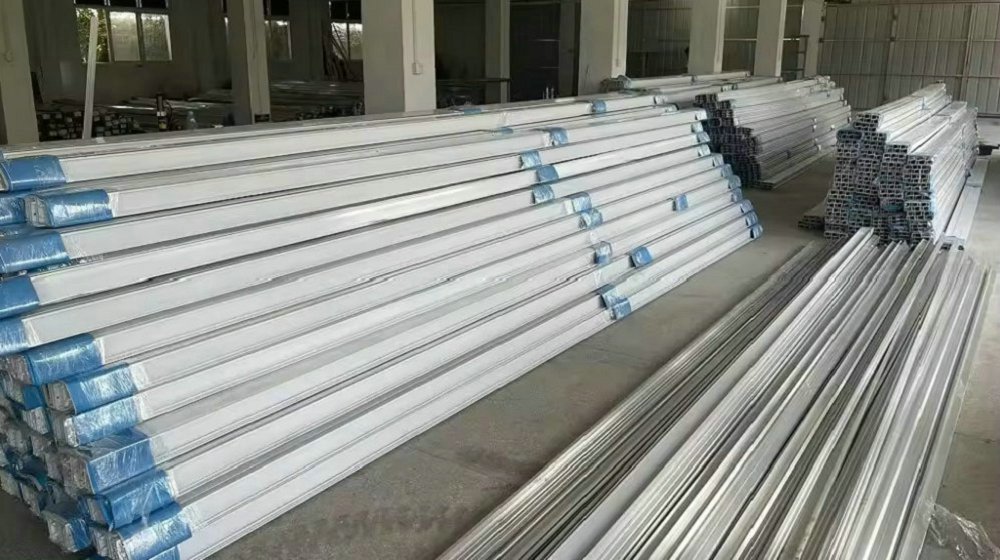
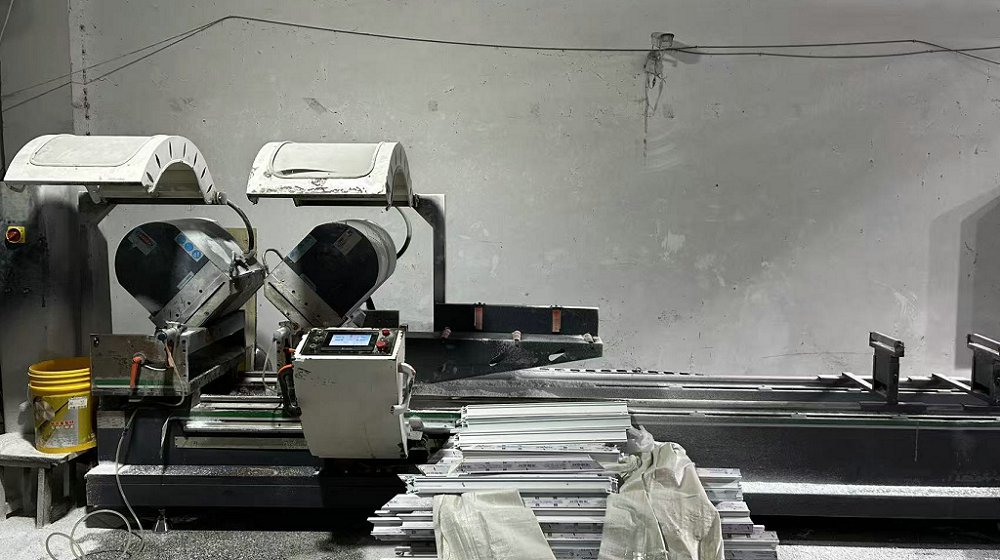


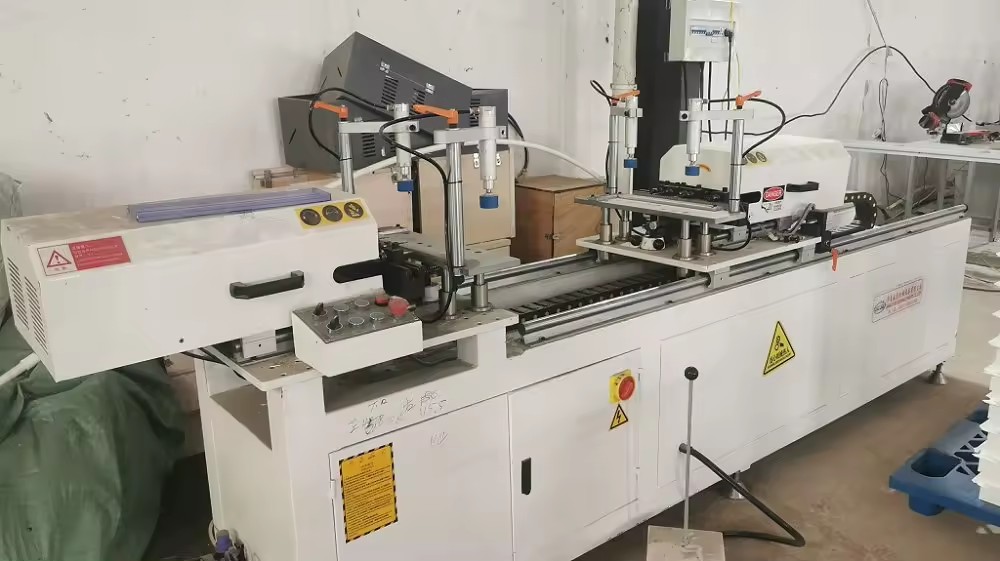
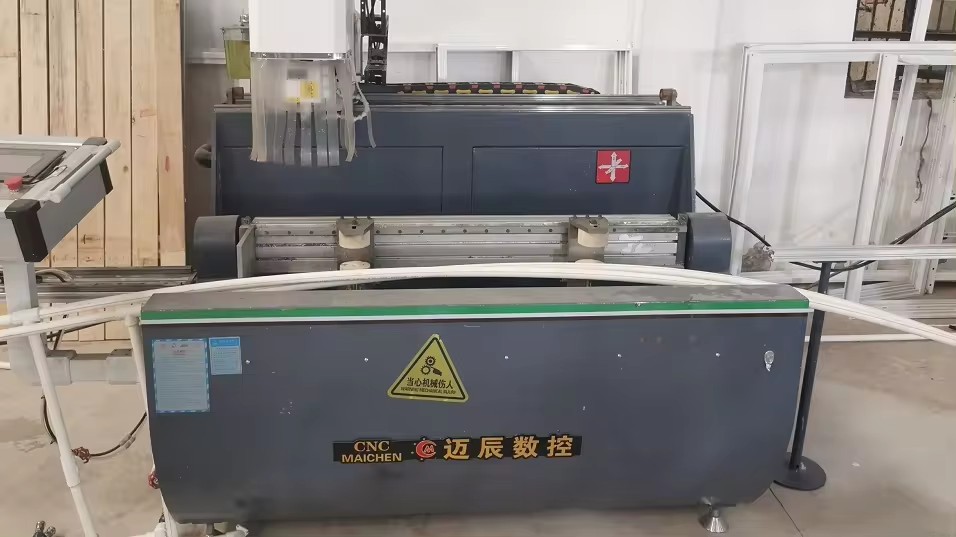
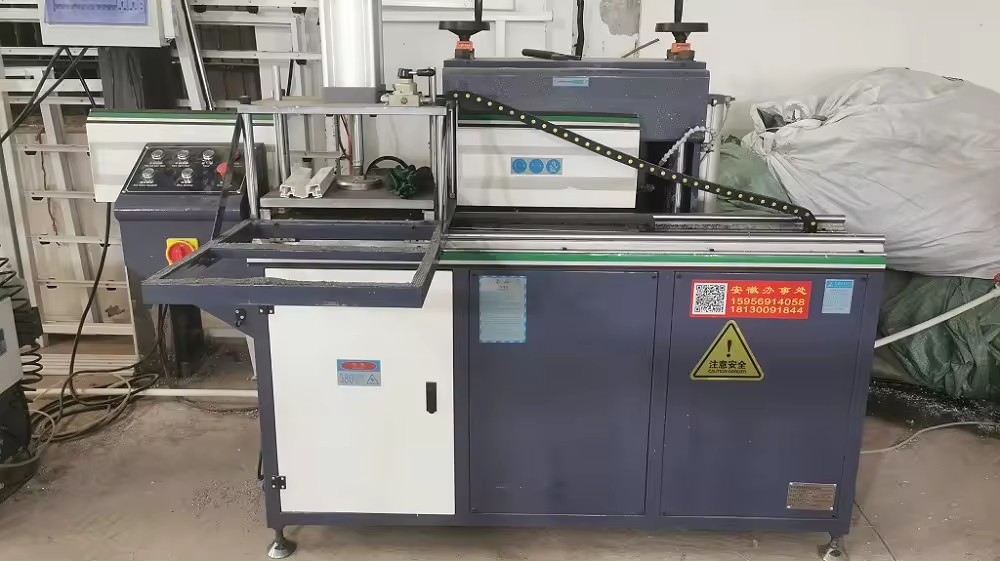
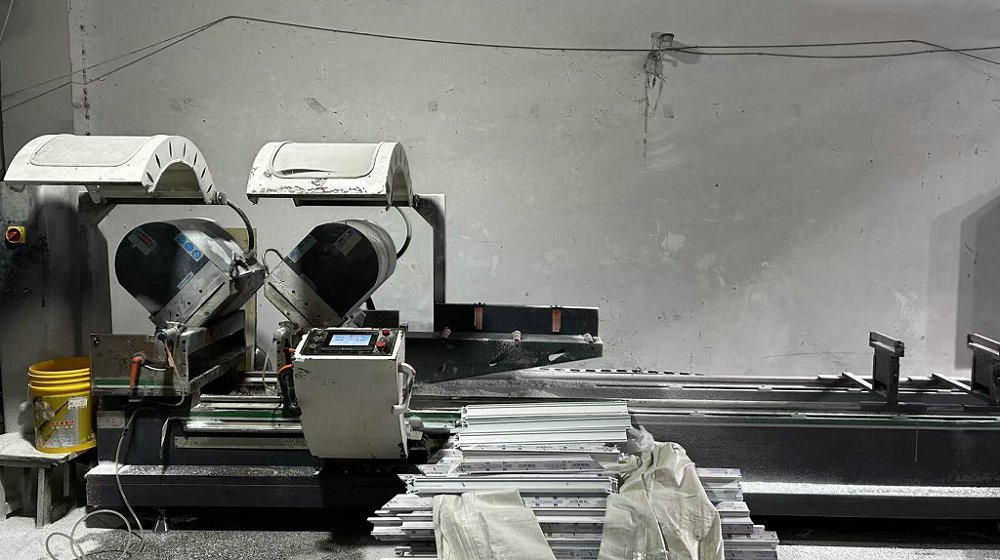


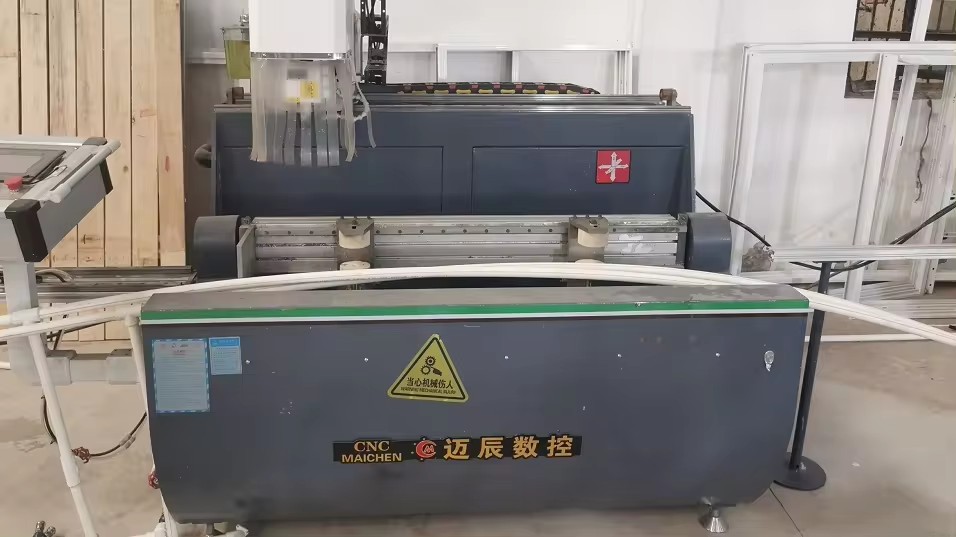
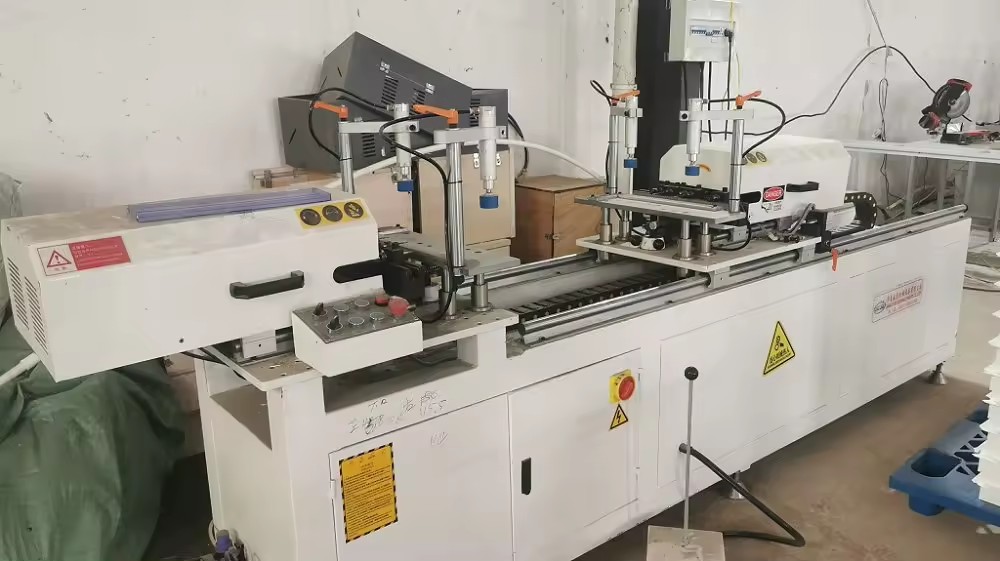
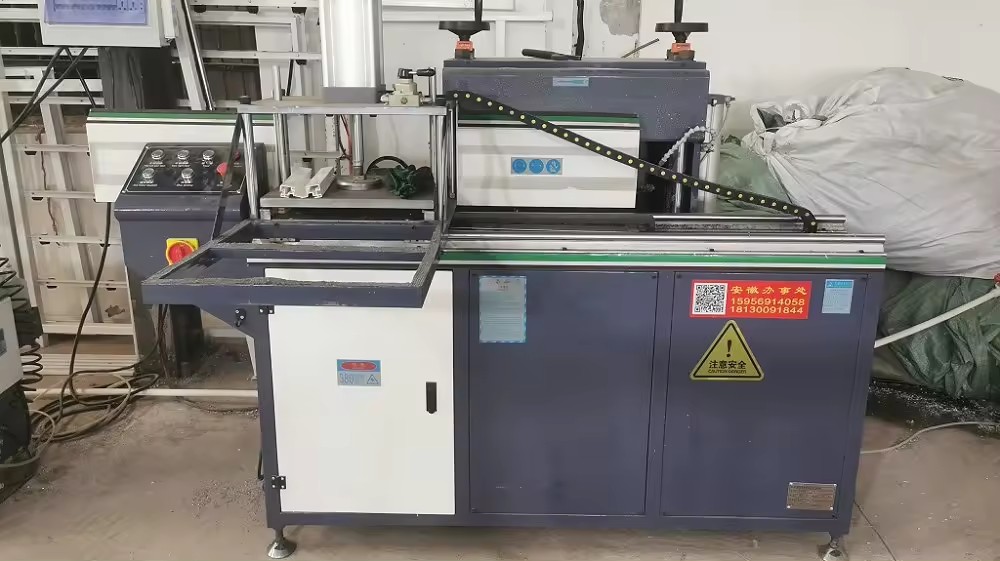
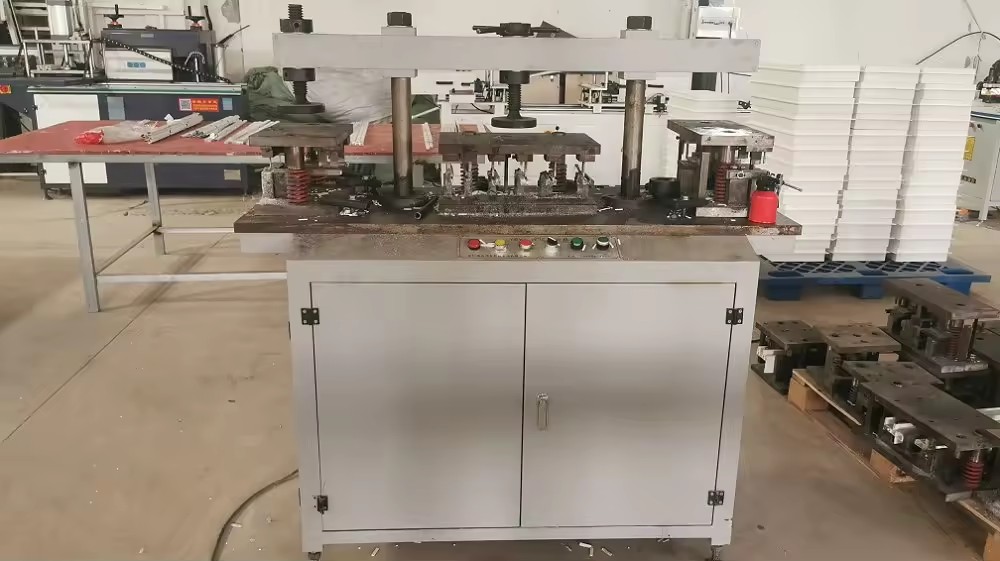
For a deep factory audit, ask for batch traceability, machine calibration records, operator training records, and a clear workflow from approved drawing to final packing. These details provide more information gain than a generic statement of annual capacity.
Quality Control
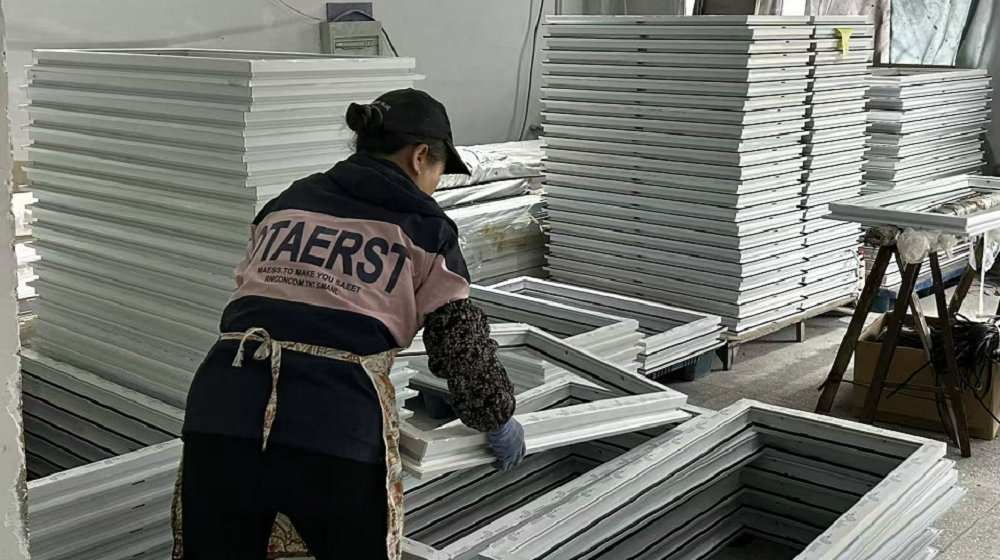
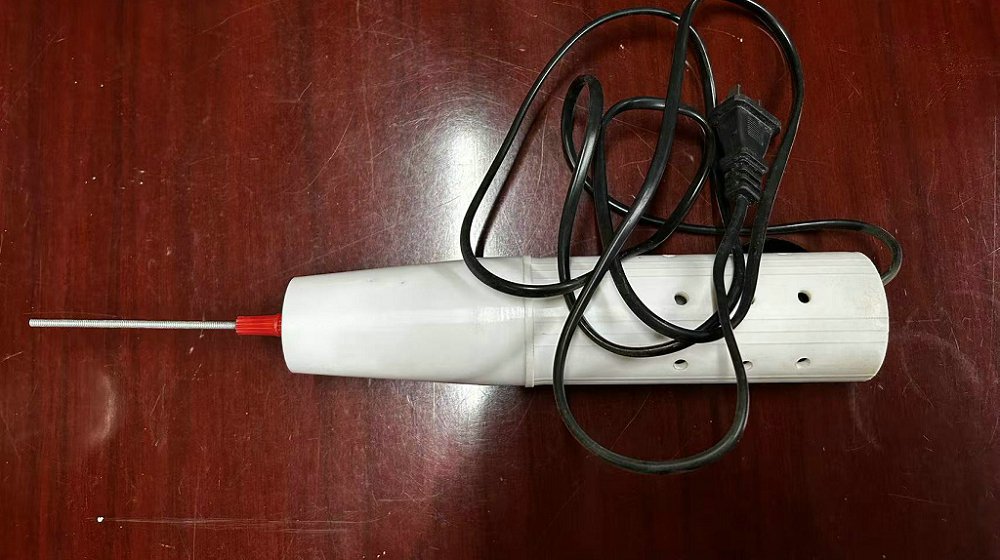
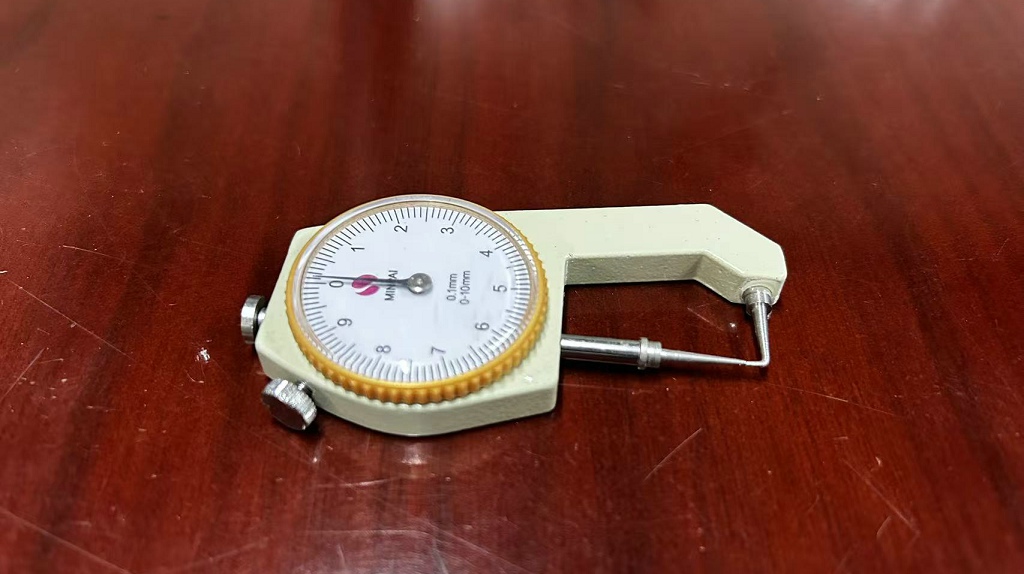
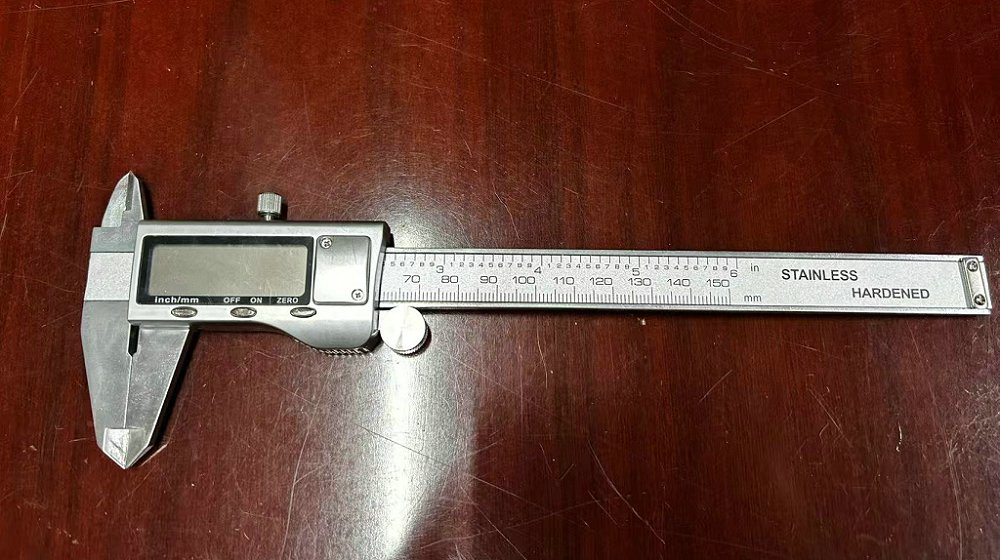
Quality assurance is the bridge between sample approval and repeatable wholesale supply. It should include material checks, in-process inspection, final visual review, and project documentation.
Quality assurance is maintained by 30 dedicated QC professionals executing ISO-certified batch sampling, optical glass flaw detection, and salt spray corrosion testing. Supported by 620 upstream suppliers, Orion offers extensive customization options including ultra-narrow frame sightlines, integrated insect screens, and custom RAL powder coatings. Our core R&D team of 36 engineers brought 35 new energy-saving product series to market over the past year.
This statement should be translated into a practical inspection plan. Batch sampling should be tied to order quantity and critical characteristics. Optical glass flaw detection should cover visible defects, edge quality, coating uniformity, and spacer alignment where relevant. Salt-spray corrosion testing helps evaluate finish and hardware protection for coastal or humid applications, but the result must be matched to the actual coating system, substrate preparation, and exposure category.
For buyers, the strongest QC evidence includes records that connect a specific project order to inspection points. Ask whether the factory can provide batch-level traceability and whether corrective actions are documented when non-conformities are found. The original factory profile shows dedicated QC staffing and customization depth; the next step is to verify how those resources are deployed on your project.
Technology Roadmap
The next competitive frontier is not only lower cost or wider catalogs. It is the ability to combine thermal engineering, carbon transparency, automation, digital documentation, and circular material strategies.
Buyers are beginning to ask about recycled aluminium content, coating durability, packaging reduction, and end-of-life recovery. Suppliers that can document material choices will be better prepared for green-building and corporate carbon reporting requirements.
Multi-chamber thermal breaks, warm-edge spacers, improved seals, and high-performance insulating glass will remain central in cold climates. In hot climates, solar-control glazing and ventilation strategies will grow in importance.
CNC cutting, machining, welding, and drilling reduce variation, but automation must be supported by calibration and operator control. Future factories will connect machine data to work orders and inspection results for faster traceability.
Digital product data, parametric family files, and structured submittal packages improve coordination between architects, fabricators, and installers. Clear digital documents also reduce errors caused by manual translation of specifications.
Motorized openings, environmental sensors, and automated shading integration may enter more premium projects. These features require early coordination among window suppliers, controls contractors, and facade engineers.
Factory pre-assembly, protected packaging, and staged loading can reduce site damage and installation time. For overseas wholesale orders, packaging engineering is part of product quality, not a secondary service.
A realistic roadmap moves from verified material and process control, to climate-specific system optimization, and then to digital documentation and circularity. Buyers should reward suppliers that can show incremental evidence at each stage rather than broad, unsupported claims.
Supplier Evaluation
Use these questions to compare suppliers on information quality, not only quotation price.
Ask how profile depth, thermal break, glazing, spacer, sealing, hardware, and installation details are selected for the project climate and building height.
Request inspection points, sampling logic, defect definitions, corrective-action records, and evidence of glass, finish, hardware, and dimensional checks.
Separate third-party test reports, engineering calculations, and general supplier statements. Strong suppliers are clear about the basis of each performance claim.
Review color sample approval, coating thickness control, surface preparation, frame joining, corner quality, and sightline tolerances for ultra-narrow designs.
Check packing drawings, corner protection, glass protection, desiccant use where relevant, loading sequence, and spare-parts planning for international delivery.
Ask for installation details, maintenance guidance, replacement hardware availability, and a communication path for quality issues after site handover.
FAQ
Clear answers help architects, contractors, hotel groups, and regional wholesalers evaluate fit earlier in the sourcing process.
Look beyond production area. A suitable export factory should offer drawing coordination, specification clarification, batch quality control, packaging engineering, loading plans, document preparation, and responsive after-sales communication. International operating experience—such as the stated 6 years and markets in Eastern Europe, South America, and Oceania—is useful, but it should be verified through order records and project references where available.
Yes, customization can include ultra-narrow frame sightlines, integrated insect screens, and custom RAL powder coatings, as noted in the original factory information. The key is to confirm a physical finish sample, visible-surface quality standard, hardware compatibility, and performance impact before mass production. Narrow sightlines and integrated screens should be reviewed together with sealing, drainage, glazing, and installation tolerances.
Ask for the complete system build-up: profile depth, thermal-break design, glazing type, spacer, gas fill, seals, frame-to-glass interface, and installation method. A window system’s performance does not depend on the profile alone. For cold-climate projects such as Eastern Europe, condensation risk and airtightness details deserve special attention. Always require the supplier to state whether a value is calculated, tested, or indicative.
A practical package may include material records, dimensional inspection reports, glass and finish checks, salt-spray or corrosion-test records where relevant, batch sampling records, packing-photo reports, and a finished-goods release checklist. For commercial projects, align these documents with the consultant’s submittal and inspection requirements. Quality documentation should identify the batch or order being released, not only describe the factory in general.
Cold climates prioritize thermal breaks, warm-edge spacers, Low-E glass, and condensation control. Coastal climates prioritize drainage, corrosion resistance, hardware protection, and coating durability. Hot climates may require solar-control glazing and ventilation strategy. High-rise projects require wind-load and watertightness review. Because a single design rarely fits all markets, local application review is essential for wholesale projects.
The original factory profile states primary markets in Eastern Europe, South America, and Oceania, serving hotel construction groups, architectural firms, and regional wholesalers. This suggests experience with different climate and logistics contexts. Buyers outside these regions should still request evidence for their specific requirements. Market experience is a helpful signal, but project-specific compliance, glazing, and installation verification remain the deciding factors.
Review the documented stages shown above—raw materials, cutting, machine processing, welding, drilling, CNC, milling, and inspection equipment. Then ask for process records tied to your order: approved drawings, material batch, machining checks, assembly inspection, glass verification, final visual review, and packing approval. A video audit or third-party inspection can supplement, but written evidence and sample approval are still fundamental.
MOQ, lead time, and price depend on system type, profile, glazing, hardware, finish, quantity, packing method, and shipping schedule. A low unit price can hide costs in glass upgrades, hardware exclusions, packaging, spare parts, or installation support. Request a detailed quotation with scope inclusions, exclusions, inspection plan, payment terms, and delivery schedule. For wholesale buyers, total landed cost and repeatability usually matter more than the lowest initial quote.
Product Showcase
Review the product range against your drawings, climate requirements, and local compliance route. Each card below represents a customizable aluminium door and window system category for commercial, residential, and hospitality projects.
Multi-chamber frames, warm-edge spacer options, Low-E glazing, and controlled air infiltration for energy-conscious residential and hotel projects.
View Product RangeUltra-narrow sightlines, large glazed panels, smooth sliding hardware, and customized threshold details for terraces, balconies, and retail frontages.
View Product RangeHigh-visual-light fixed glazing for facades, stairwells, corridors, and winter gardens with project-specific wind-load and safety-glass review.
View Product RangeIntegrated insect screens, controlled ventilation, and powder-coated finishes for humid climates, coastal projects, and residential comfort.
View Product RangeCustom RAL powder coatings, European-style tilt-and-turn operation, multi-point locking, and high-performance sealing for mixed climates.
View Product RangeDurable balcony door systems for hospitality projects, with optional safety glazing, acoustic upgrades, drainage design, and project-specific finish matching.
View Product RangeFactory-prepared aluminium framing and glazed modules for commercial facades, subject to engineering review, structural calculation, and local code verification.
View Product RangeEntrance and interior glass door systems with thermal-break options, safety hardware, and customized powder-coating colors for commercial environments.
View Product RangeFor wholesale projects, the strongest sourcing decision is based on product fit, production evidence, quality records, climate adaptation, and local compliance review. Compare the factory profile, product ranges, process images, and QC data above, then request project-specific documentation before production release.
Request Project Review Orion Window & Door