What Are the Top Types of Aluminium Windows and Doors?

Time:2026-11-10 Author:Amelia
0%

Choosing the right Aluminium Windows & Doors system means balancing daylight, ventilation, space, security, and thermal comfort. A wide sliding door can connect a kitchen to a patio, while a compact casement window may direct a breeze into a smaller room. The best option depends on the opening, local climate, and how the building is used. There is no universal winner.

The Global Alliance for Buildings and Construction and UNEP reported that buildings accounted for 34% of global energy demand and 37% of energy- and process-related carbon dioxide emissions in 2022. These figures describe the wider buildings sector, not aluminium windows alone. Still, they show why choosing suitable glazing and frames deserves care. Small details matter. Frame design, glass specification, seals, and installation all affect real-world performance; a product label cannot tell the whole story.

This guide introduces common types, from casement, sliding, tilt-and-turn, and fixed windows to sliding, bi-fold, and French doors. Each has practical trade-offs. Sliding units save swing space, while hinged styles can offer a broader opening. For readers in North America, National Fenestration Rating Council labels provide comparable ratings, including U-factor and solar heat gain coefficient. Other regions use different rating systems, so check local product documentation. A sensible comparison starts with the opening and the daily routine—not appearance alone. That is easy to overlook.
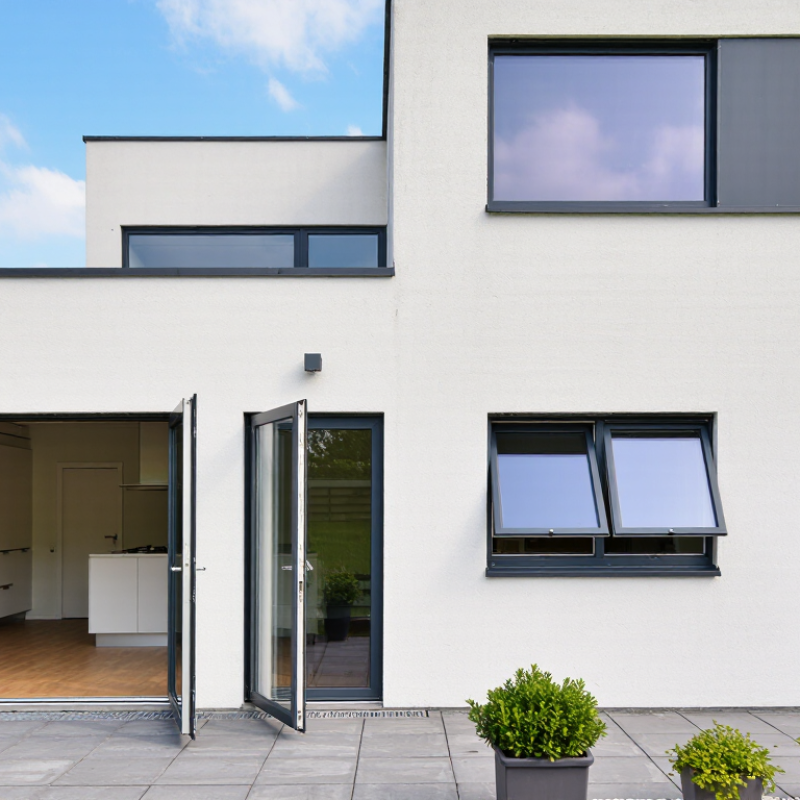
What Are the Top Types of Aluminium Windows and Doors?

How Aluminium Windows and Doors Are Classified

Aluminium windows and doors are commonly classified by how they open, how their frames are arranged, and where they are used. These categories help homeowners compare practical features rather than relying on appearance alone. A casement window hinges at the side and swings outward or inward. An awning window is hinged at the top, while a sliding window moves horizontally along a track. Fixed windows do not open. They bring in daylight and can frame an unobstructed view.

Door types follow similar distinctions. Sliding doors move along tracks and suit openings where swing space is limited. Folding doors use multiple connected panels that stack to one side. Hinged doors rotate on hinges and may be configured for different entry needs. The right choice depends on the room, available clearance, and how often people pass through. Small details matter.

Classification also considers frame design and intended performance. Some systems use thermal breaks to reduce heat transfer through the aluminium frame. Glazing, seals, drainage, and hardware also affect comfort and operation. A product described as “sliding” may vary greatly in panel size or weather resistance. The labels are useful, but not always neat. Check the opening dimensions and local climate, and ask how the complete assembly performs—not just what the frame is called.

Common Aluminium Window Types by Opening Style

Aluminium windows are easiest to compare by how they open. The opening style affects airflow, cleaning, furniture placement, and how much clear space a window needs.

Casement windows are hinged at the side and swing outward, catching breezes well when wind direction is favorable. Their wide opening is useful in kitchens or bedrooms, but nearby paths and shutters need clearance.

Sliding windows move horizontally along tracks, so they suit balconies and narrow rooms where a swinging sash would get in the way. They are simple to operate. However, only part of the frame opens at once, and tracks need occasional cleaning to prevent grit from affecting movement.

Awning windows are hinged at the top and open outward, helping shed light rain while allowing ventilation. They can work well above sinks, though strong wind may make them harder to use.

Tilt-and-turn windows offer two actions: a small inward tilt for controlled ventilation or a wider inward swing for access and cleaning. That flexibility can be valuable, but the hardware and operating steps may feel unfamiliar at first.

Fixed windows do not open at all; they provide daylight and views where ventilation comes from another window.

It is easy to focus only on appearance. In practice, room layout, local weather, and everyday reach often matter just as much. A simple test is to imagine opening the sash with furniture in place.

Major Aluminium Door Types and Their Uses

Major Aluminium Door Types and Their Uses

Sliding aluminium doors suit patios and balconies where floor space is limited. Their panels move along a track, leaving furniture clear of a swinging door. Wide glass panels bring daylight indoors, but tracks need regular cleaning to prevent grit from affecting movement. They are not always the best choice when you need a wide, fully open entrance.

Hinged doors work well for entrances, utility rooms, and smaller openings. They may open inward or outward, depending on the layout and available clearance. French doors use two hinged panels, creating a broad opening for gardens or dining areas. For larger openings, bifold doors fold into a stack at one side. They can connect indoor and outdoor spaces, though the folded panels take up some room. Check the threshold, hardware, and panel weight before choosing. A detail people sometimes overlook: the best-looking door may be awkward to use every day.

Tips: Measure the opening and note nearby walls, furniture, and floor levels. Ask an experienced installer to check drainage and weather seals. Small details matter. A poorly planned threshold can make access inconvenient, even when the door itself is well made.

Frame and Glazing Options for Aluminium Systems

Aluminium windows and doors are defined by both frame and glazing choices. Slim frames admit more daylight, but aluminium conducts heat readily. A thermal break separates the inner and outer frame with a less conductive material. It can reduce heat transfer, though frame design and installation still matter. The U.S. Department of Energy’s Energy Saver guidance estimates that windows account for 25–30% of household heating and cooling energy use. That makes seals and glass specification practical decisions, not just aesthetic ones.

Double glazing is a common balance between insulation, cost, and weight. Low-emissivity coatings can limit heat transfer, while solar heat gain coefficient helps describe how much sunlight enters. Choose for the climate and orientation. A sunny west-facing room may need different glazing from a shaded north-facing one. UNEP and GlobalABC’s 2023 Global Status Report for Buildings and Construction reports that buildings and construction represented 34% of global energy demand and 37% of energy- and process-related CO2 emissions in 2022. Those figures cover much more than windows, but they underline the value of better building envelopes.

Triple glazing can improve insulation, but adds weight and may not suit every opening or budget. For sliding doors, check the track, drainage, and weather seals; small installation gaps can undermine good glass. Casement units often close firmly against their seals. Still, no specification works perfectly everywhere. Compare rated U-factor and solar heat gain, then inspect how the frame, spacer, and glass are assembled.

How to Match Each Type to Its Intended Use

Choosing aluminium windows and doors by appearance alone can lead to drafts, glare, or awkward daily use. Match the opening style to the room and how people move through it.

Casement windows swing outward and usually provide clear ventilation, making them useful in bedrooms and kitchens. Check nearby paths and outdoor furniture before choosing them; an open sash needs room. Sliding windows suit narrow patios and spaces where an outward opening would obstruct movement. Their tracks need regular cleaning, since grit can make operation rough. For wide views, fixed windows bring in daylight without moving parts. Pair them with an opening window if the room also needs fresh air.

Sliding doors work well where floor space is limited, such as a compact balcony. They do not need a clear swing area. Bi-fold doors can open a wider connection to a garden or terrace, but the folded panels take space at one side. That detail is easy to miss. Hinged doors provide a familiar, simple entry, though their swing must not conflict with furniture or walkways. In exposed locations, ask a qualified installer to assess wind, drainage, glazing, and hardware requirements. A beautiful opening that is hard to operate is still a poor fit.

What Are the Top Types of Aluminium Windows and Doors? - How to Match Each Type to Its Intended Use

Type How It Opens Best-Suited Uses Key Advantages Things to Consider
Casement window Hinged at the side and opened outward or inward. Bedrooms, living rooms, and other spaces where adjustable ventilation is useful. Opens widely for airflow; compression seals can provide good weather resistance when properly fitted. Allow for the sash’s swing and check that it will not obstruct walkways, shutters, or outdoor areas.
Sliding window One or more sashes slide horizontally along tracks. Rooms with limited clearance, wide wall openings, and areas overlooking patios or balconies. Does not project into the room or outside; suits broad openings and is straightforward to operate. Only part of the opening may be available for ventilation at a time. Tracks need regular cleaning.
Tilt-and-turn window Tilts inward at the top for ventilation or swings inward from the side for a wider opening. Upper floors, rooms needing controlled ventilation, and locations where inward cleaning access is useful. Offers two opening modes and can make the exterior glass easier to reach for cleaning. Requires interior clearance for the sash and suitable hardware installation and adjustment.
Awning window Hinged at the top and opens outward from the bottom. Bathrooms, kitchens, and high-level openings where ventilation is needed. The projecting sash can help shield the opening from light rain when conditions are suitable. May be unsuitable where the sash would interfere with a walkway or where strong winds affect operation.
Fixed window Does not open. Feature glazing, stairwells, and areas where daylight or a view is more important than ventilation. Can provide uninterrupted views and typically has fewer moving parts than an operable window. Provides no natural ventilation; plan cleaning access and confirm safety-glazing requirements where applicable.
Aluminium sliding door Door panels slide horizontally, usually along a track. Patios, balconies, and openings connecting indoor living areas to outdoor spaces. Space-efficient operation and broad glazed panels can bring in daylight and maintain views. Check track drainage, threshold details, accessibility needs, and the panel configuration for the opening width.
Bi-fold door Multiple hinged panels fold and stack to one or both sides. Large openings where a wide connection between an interior and a garden, terrace, or patio is desired. Can open a greater proportion of the doorway than many sliding-door arrangements. Needs space for the stacked panels and careful alignment; more panels and hardware may require added maintenance.
Lift-and-slide door A handle lifts the panel slightly from its seals so it can roll along a track; lowering it helps reseal the panel. Large glazed openings, especially where heavy door panels are specified. The rolling action can make substantial panels easier to move, while the lowered position supports a sealed closure. Usually needs compatible track, hardware, and installation details; confirm the system’s panel-size limits and threshold design.

FAQS

Which aluminium window style catches breezes well?

Casement windows swing outward from side hinges and can catch breezes when the wind direction is favorable. Check nearby paths and shutters first.

Are sliding windows practical in narrow rooms?

Yes. Their panels move along tracks, so they do not need space to swing inward or outward. Only part of the frame opens at once. Tracks collect grit.

What is useful about awning windows?

They open outward from top hinges and can let in air during light rain. Above a sink, that can be handy. Strong wind may make them harder to operate.

Can tilt-and-turn windows help with cleaning?

Yes. They can tilt inward for controlled airflow or swing inward for access and cleaning. The hardware may feel unfamiliar at first. I might need practice.

When should I choose a fixed window?

Choose one when daylight and views matter, but ventilation comes from another window. Picture the room with furniture in place. Reach matters, too.

Which door style saves floor space near a balcony?

Sliding doors move along a track and leave nearby furniture clear. Their wide glass panels bring in daylight, but they may not create a fully open entrance.

When are bifold doors a good fit?

They fold into a stack at one side and can connect indoor and outdoor spaces. The stacked panels still take up room. Easy to overlook.

What should I check before choosing an aluminium door?

Measure the opening and note nearby walls, furniture, and floor levels. Ask an experienced installer to check drainage and weather seals. Thresholds matter.

Conclusion

Aluminium Windows & Doors come in a wide range of styles, each designed to suit different spaces, ventilation needs, and ways of moving between rooms. They can be classified by how they open, their frame design, and the glazing used. Common window options include sliding, casement, awning, and tilt-and-turn styles, offering different balances of airflow, access, and space efficiency. Door choices include sliding, hinged, folding, and pivot designs, which can help connect indoor and outdoor areas or make entrances more practical.

Frame profiles and glazing options also affect appearance, insulation, noise control, and natural light. Slim frames can create a more open view, while different glass specifications can support comfort and privacy. Choosing the right system means considering the room’s purpose, available space, climate, desired ventilation, and maintenance needs. Matching each type to its intended use helps create a functional, comfortable, and cohesive result.

Amelia

Amelia

Amelia is a seasoned marketing professional with a wealth of expertise in our company’s core offerings. With an unwavering passion for driving growth and innovation, she plays a pivotal role in shaping our marketing strategies and enhancing brand visibility. A key aspect of her responsibilities......